Dorothea Lange
Dorothea Lange studied photography at Columbia University in New York City under Clarence H. White, a member of the Photo-Secession group. In 1918 she decided to travel around the world, earning money as she went by selling her photographs. Her money ran out by the time she got to San Francisco, so she settled there and obtained a job in a photography studio.
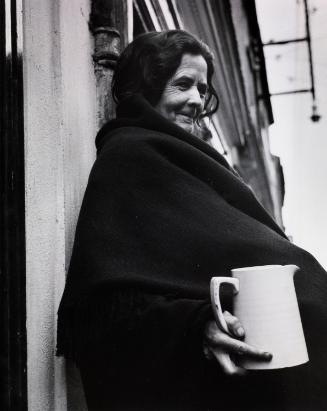
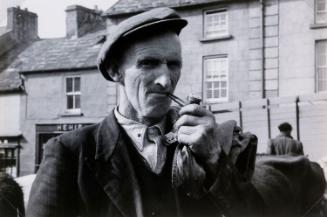
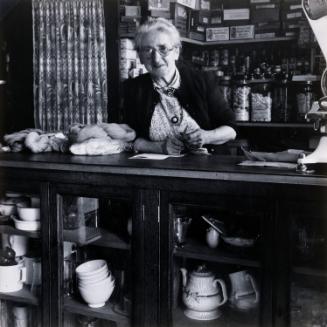
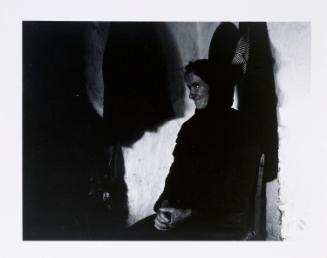
During the Great Depression, Lange began to photograph the unemployed men who wandered the streets of San Francisco. Pictures such as White Angel Breadline (1932). These photographs also led to a commission in 1935 from the Federal Resettlement Administration (later called the Farm Security Administration [FSA]). The latter agency, established by the U.S. Agriculture Department, hoped that Lange’s powerful images would bring the conditions of the rural poor to the public’s attention. Her photographs of migrant workers, with whom she lived for some time, were often presented with captions featuring the words of the workers themselves. FSA director Roy Styker considered her most famous portrait, Migrant Mother, Nipomo, California (1936), to be the iconic representation of the agency’s agenda. Lange travelled to Ireland with her son Daniel Dixon in 1954. Ennis was their base as they travelled around County Clare. Lange was hoping to photograph people who were on the cusp of emigration. Just 19 of the 2,400 photographs taken in Co Clare were published in Life magazine; another six were included in Lange's retrospective exhibition at the Museum of Modern Art in New York in 1965. The archive was revived in the 1996 book, Dorothea Lange's Ireland, and the subsequent documentary film, Photos to Send.